
The teen years can bring exciting possibilities alongside pressures that feel hard to manage. Between school expectations, friendships, family relationships, social media, and figuring out who they are, teens may need a space to sort through it all. At Simply Thrive, we offer a welcoming, judgment-free environment where teens can speak openly, feel heard, and explore what matters to them.
Whether your teen is experiencing anxiety, depression, self-esteem concerns, peer conflict, grief, trauma, or major life changes, we tailor counseling to their needs, strengths, and goals. Together, we help teens build practical coping skills, navigate intense emotions, strengthen communication, and develop confidence in their choices and relationships.
We also recognize the important role parents and caregivers play. We partner with families as appropriate while respecting teens’ growing independence and need for privacy, with clear conversations about confidentiality and safety.
Your teen doesn’t have to figure everything out alone. Connect with Simply Thrive to take the next step toward support, connection, and growth.

Family Therapy
As teens seek greater independence, families may find themselves struggling to connect or understand one another. Family therapy provides a supportive space to explore different perspectives, work through conflict, and strengthen communication. At Simply Thrive, we help teens and caregivers navigate boundaries, expectations, trust, and life changes while building relationships that support both connection and growing independence.

Dialectical Behavior Therapy (DBT)
When emotions feel intense, knowing what to do next can be difficult. DBT helps teens balance acceptance of their experiences with steps toward meaningful change. Through mindfulness, distress tolerance, emotional regulation, and relationship skills, teens practice managing difficult moments, communicating their needs, and making more thoughtful choices. Caregiver involvement, when appropriate, helps bring these skills into everyday family life.

Cognitive Behavior Therapy (CBT)
Thoughts can shape how teens feel about themselves, their relationships, and the challenges ahead. CBT helps teens recognize patterns in their thinking and behavior, explore more balanced perspectives, and practice new ways of responding. Sessions are collaborative and grounded in real-life concerns, helping teens develop tools for managing worry, low mood, self-criticism, avoidance, and everyday stress.

Solution-Focused Brief Therapy
Solution-Focused Brief Therapy helps teens identify what they want to change and recognize the strengths they can use to get there. Alongside exploring current concerns, we look for moments when things feel more manageable and build on what works. Teens take an active role in setting meaningful goals and choosing achievable next steps, with treatment length tailored to their needs and progress.

Creative Therapies
Sometimes talking alone doesn’t capture what a teen is feeling. Creative approaches incorporate activities such as drawing, journaling, collage, and storytelling into counseling, offering different ways to explore emotions, identity, relationships, and life experiences. Guided by the teen’s interests and goals, these activities can support self-discovery, coping, and meaningful conversation. There is no pressure to be artistic—just space to express yourself.
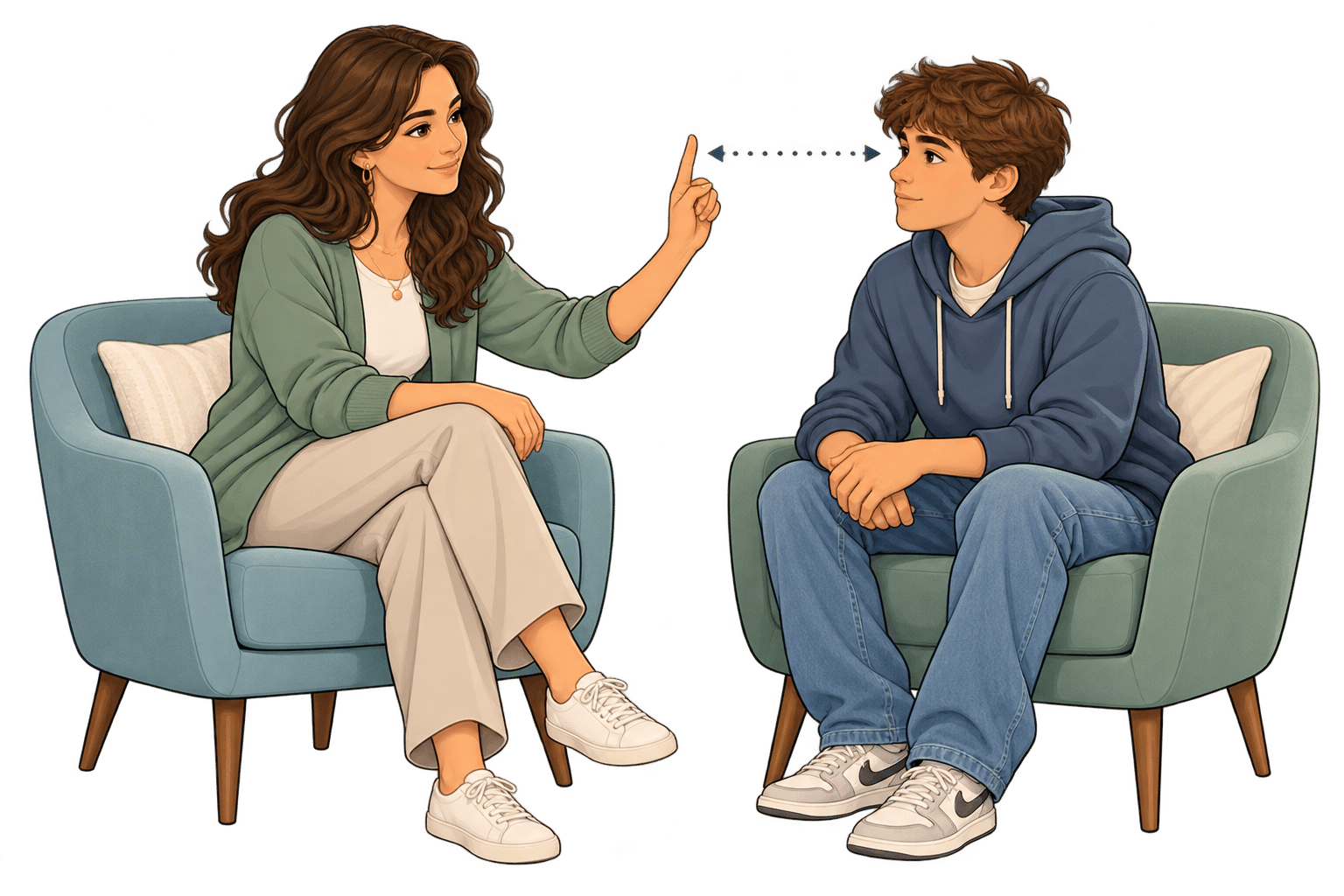
Eye Movement Desensitization and Reprocessing (EMDR)
Distressing experiences can leave teens feeling stuck in painful memories, strong reactions, or negative beliefs about themselves. EMDR is a structured therapy that helps teens process these experiences while using alternating left-and-right stimulation, such as guided eye movements or tapping. Treatment begins with preparation and coping skills, then moves forward collaboratively based on the teen’s readiness. Teens do not always need to describe every detail of an experience to participate.