
Childhood is a time of growth, discovery, and change — but some challenges can feel overwhelming for children and their families. At Simply Thrive, we provide a warm, welcoming space where children can express themselves, work through difficult experiences, and build skills to navigate everyday life with greater confidence.
Whether your child is experiencing anxiety, emotional outbursts, school difficulties, friendship challenges, grief, or family changes, counseling can help them better understand their feelings and find healthy ways to respond. We tailor therapy to each child’s age, developmental needs, strengths, and interests, using conversation, play, and creative activities to encourage connection and self-expression.
Parents and caregivers are an important part of the process. We work collaboratively with families to better understand their child’s needs, strengthen communication, and support progress at home while giving children space to develop trust and their own voice.
You don’t have to have all the answers to take the first step. Connect with Simply Thrive to explore how we can support your child and family.
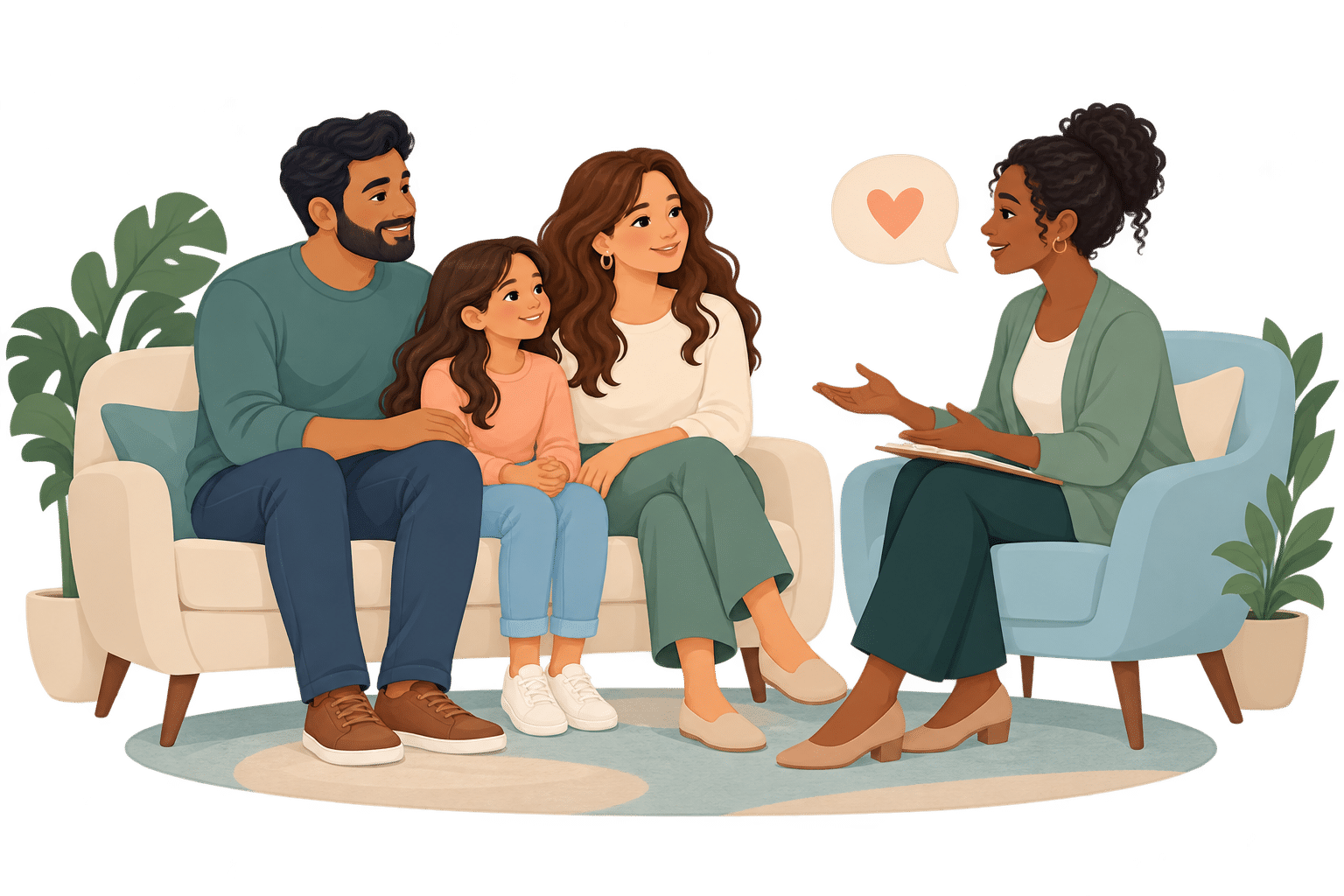
Family Therapy
When a child is struggling, the whole family can feel the impact. Family therapy creates space for children and caregivers to better understand one another, improve communication, and work through challenges together. Whether your family is navigating conflict, separation, changing routines, or emotional and behavioral concerns, we help you strengthen relationships and develop practical ways to support one another.
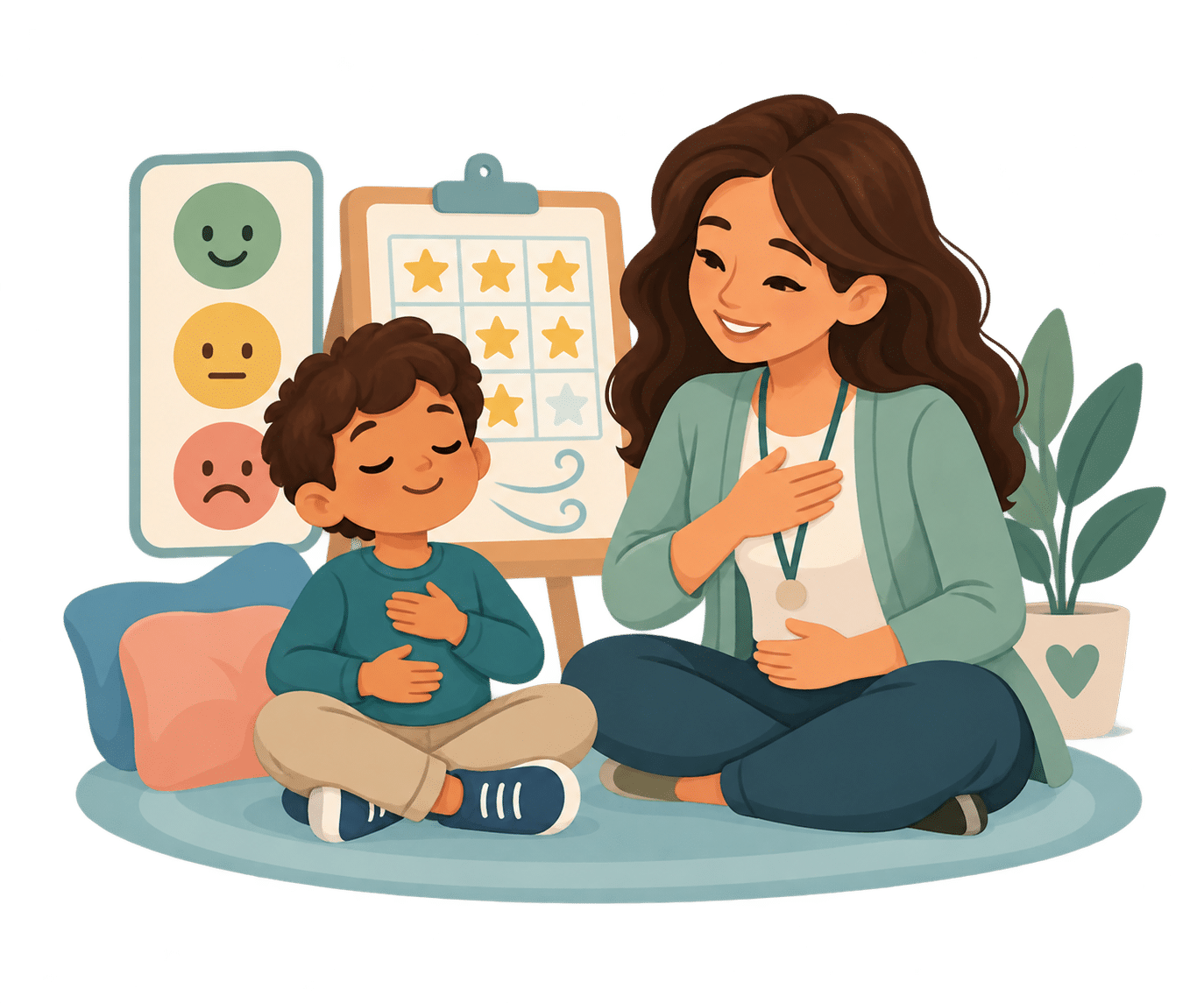
Behavior Management
Children often communicate through their behavior when they don’t yet have the words or skills to express what they need. We work with children and caregivers to understand what may be contributing to challenging behaviors and develop supportive, age-appropriate strategies. Through clear expectations, consistent routines, positive reinforcement, and emotional regulation skills, we help families navigate everyday challenges with greater confidence and connection.
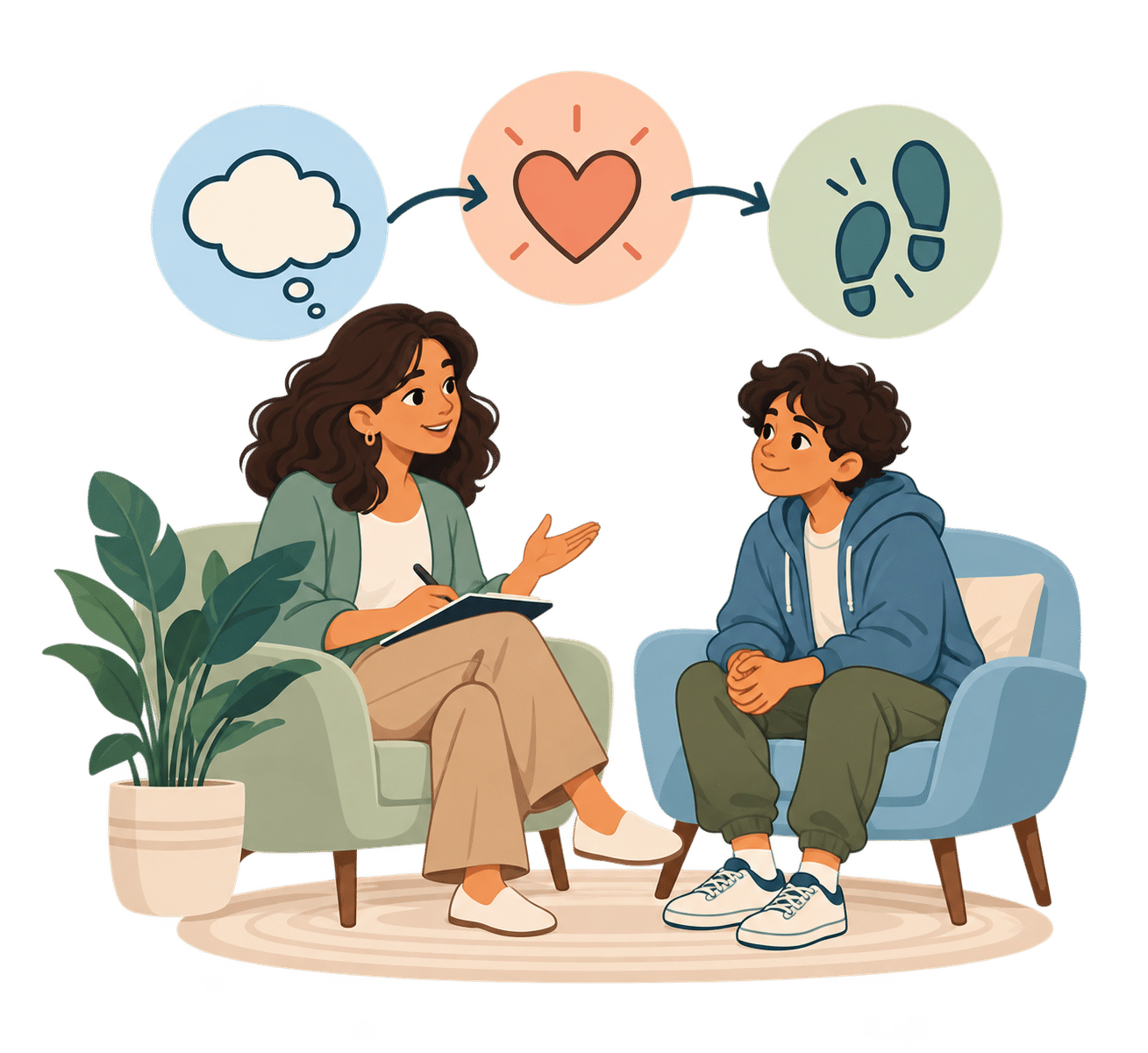
Cognitive Behavior Therapy (CBT)
CBT helps children explore how their thoughts, feelings, and behaviors influence one another. Using age-appropriate conversations, games, and activities, children learn to recognize unhelpful thinking patterns, approach challenges more flexibly, and practice healthy coping skills. This practical, collaborative approach can support children experiencing worry, sadness, frustration, avoidance, and difficulties with confidence.
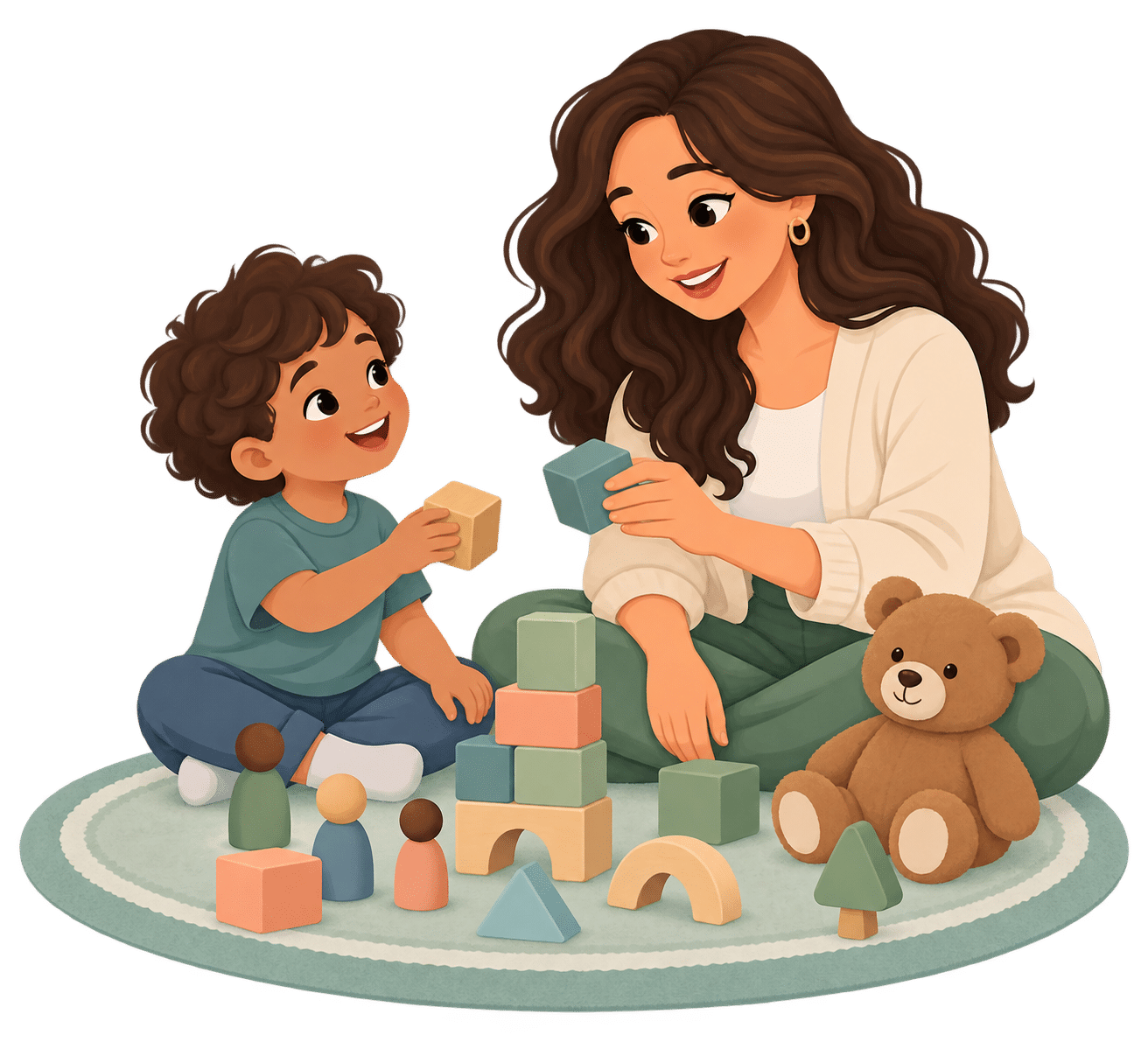
Play Therapy
Play is one of the ways children communicate, explore experiences, and make sense of their world. Play therapy uses toys, games, art, and imaginative activities to help children express feelings they may have difficulty putting into words. Within a supportive therapeutic relationship, children can work through challenges, practice problem-solving, develop emotional awareness, and build confidence at their own pace.
Trauma Focused Cognitive Behavioral Therapy (TF-CBT)
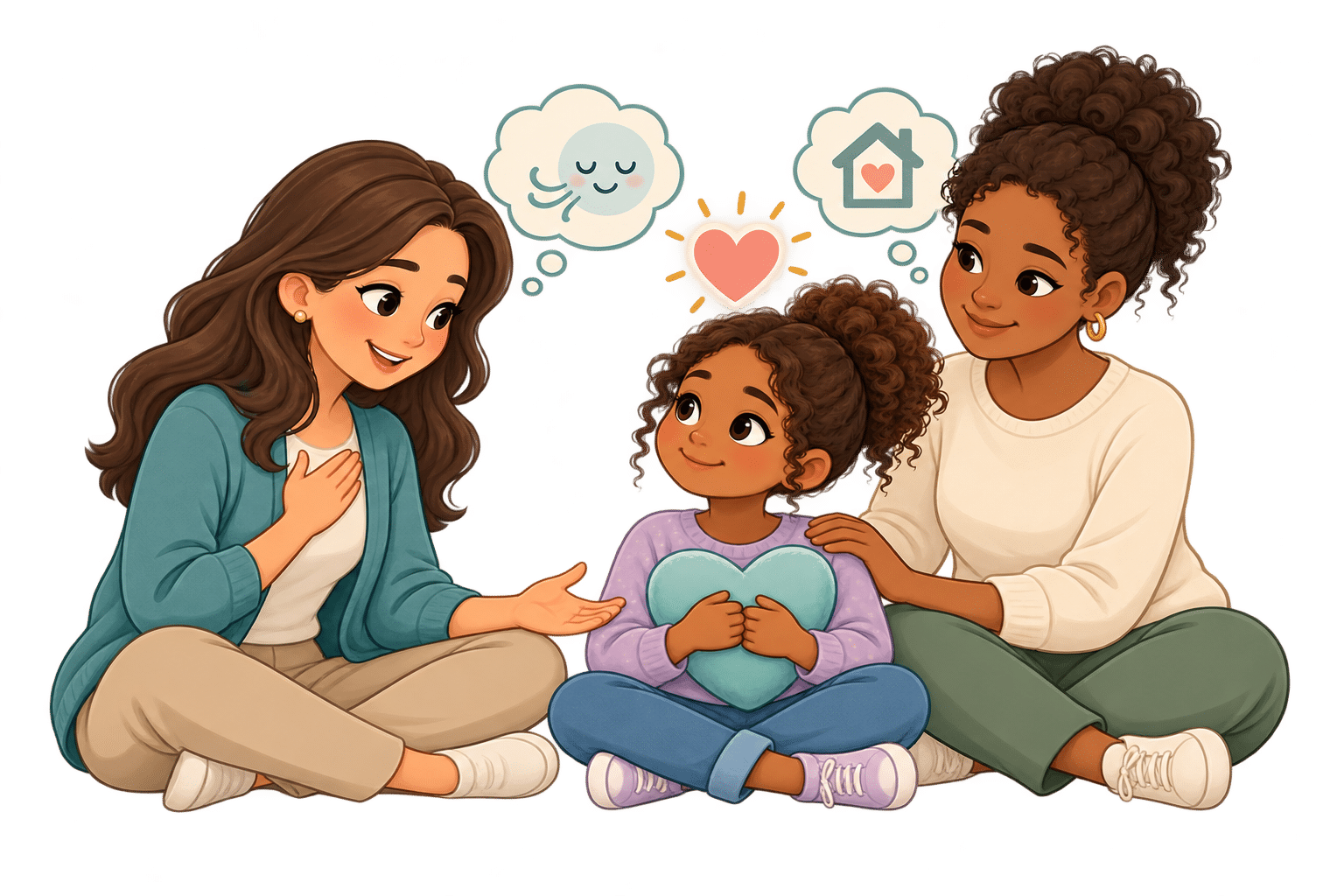
Difficult or frightening experiences can affect a child’s emotions, behavior, relationships, and sense of safety. TF-CBT helps children understand these reactions, build healthy coping skills, and gradually work through traumatic memories in a supportive environment. Through age-appropriate conversations and activities, children learn to manage overwhelming feelings and challenge thoughts such as guilt or self-blame. Supportive caregivers participate throughout treatment, learning ways to strengthen connection and support their child’s healing.
Eye Movement Desensitization and Reprocessing (EMDR)
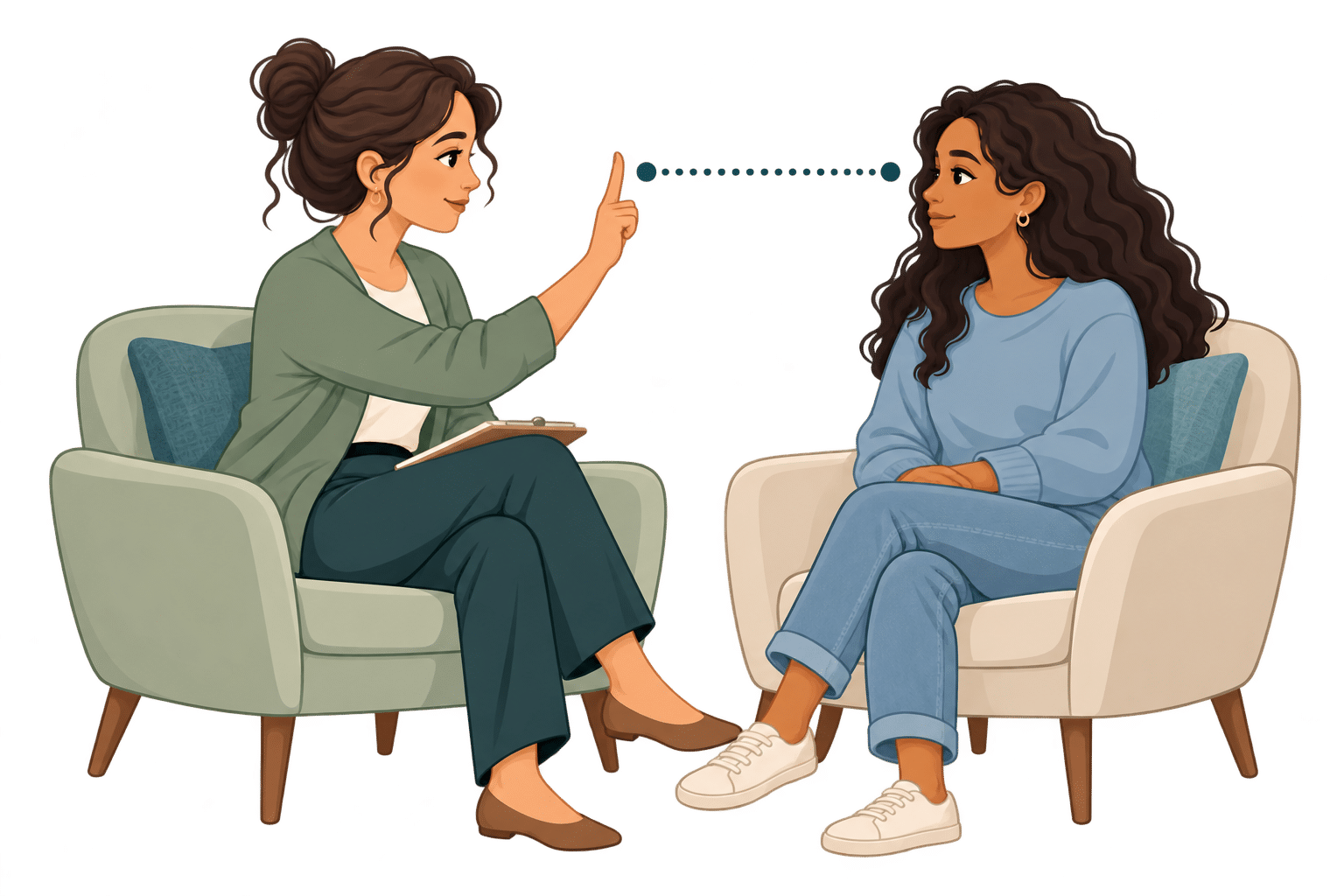
Sometimes a distressing experience continues to affect how a child feels, reacts, or sees themselves long after it has passed. EMDR is a structured therapy that helps children process distressing memories while incorporating alternating left-and-right stimulation, such as guided eye movements or gentle tapping. Treatment is adapted to the child’s age and readiness, with time devoted to building trust and coping skills. Children do not always need to describe every detail of an experience to participate.