

What is the Placebo Effect and how does it affect mental health?
What is the Placebo Effect and how does it affect mental health? You’ve probably heard of the placebo effect; in short, it is when something works for us because we “think” it will work, even though there is nothing actually effective about it. For example, a sugar pill may work for someone as well as medication simply because they believe it’s medication. What you may not know is how real the placebo effect is. It is so powerful, many studies for new medications have to have a placebo control group; this means that a group needs to be given a placebo (unknowingly) to compare results with the medication group. This
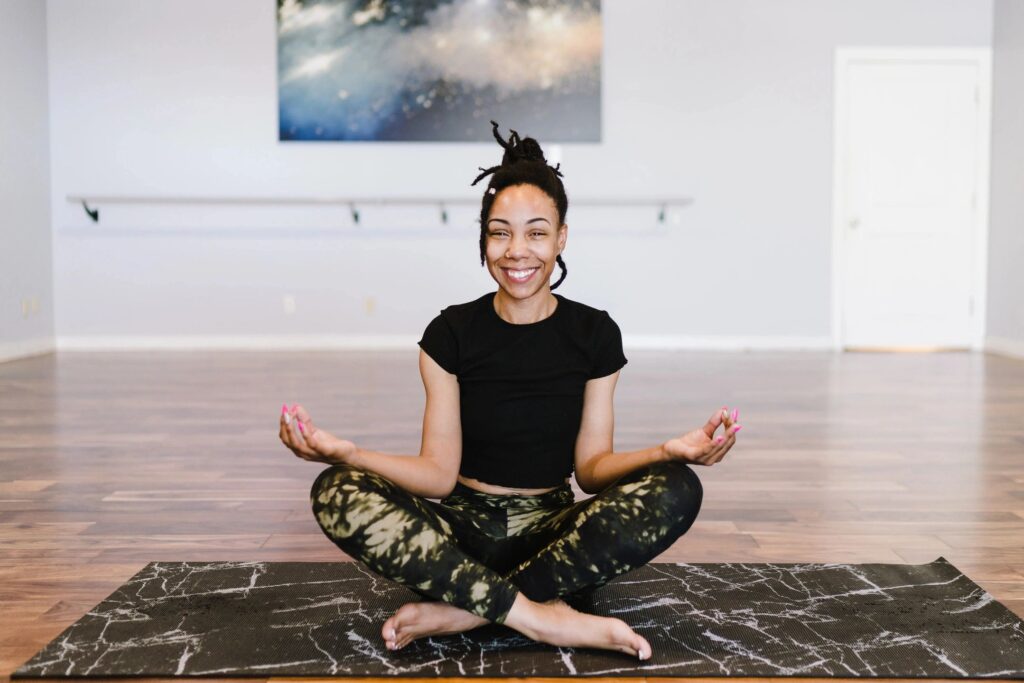
Mindfulness Techniques; Where do I start?
Mindfulness Techniques; Where do I start? The types, explanations, and number of mindfulness techniques out there are countless. It’s so overwhelming, it can be difficult to even get started, much less find something that works for you. Here are a few tricks and tips to simplify the art of mindfulness. Most techniques fit into a few loose categories: Meditation. Most people are pretty familiar with this one. It involves things like repeating a mantra, focusing on a point in the distance, visual imagery, etc. It is usually an internal, “in your head” type of technique. Breathing. Again, this one is pretty straightforward. There are lots of different breathing exercises, and

Rose Bud Thorn Exercise
Rose, Bud, and Thorn. Taking a step back and reflecting on our experiences provides us with information that we can use to inform future events and next steps or embrace as small wins. One way to engage in a retrospective process is the rose bud thorn exercise. This is a mindfulness activity where people, whether individually or each team member in a group, identify three types of data . This design thinking technique can be applied in many ways, for example, a review of a completed project or a reflection of your day, week, or any desired time frame. Feel free to simply discuss these verbally or to jot them

Stop giving in to cravings: the simple skill of urge surfing.
Learn The Skill of Urge Surfing We all have the tendency to “overdo” things, depending on our own personal psyche; certain food or drinks, certain hobbies, mindless escapes, etc. Though we often beat ourselves up over it, this is a completely normal part of the human experience and has nothing to do with how “strong” or “moral” we are – it is just being human. However, it can have harmful effects on us or others. We can recognize this, and recognize that we need to moderate what we’re doing and exercise effective means of self control without judging ourselves. One very useful tactic for moderating our cravings is called “urge-surfing.”

Yes, you can say no.
Yes, you can say no. Sometimes you may find yourself having difficulty saying no. Whether to offers, requests, opportunities, or invites, saying yes feels easier and less complicated than stating no. In the short-term that may be true. However, in the long-term your wants and needs may go unnoticed, which may negatively affect your well-being. So, how do we navigate these situations? Follow these three steps. Step 1: Assess Your Feeling Before defaulting to yes, take time to determine how you really feel by asking yourself these questions: Does this align with my values and needs? Do I have the time, energy, and attention to be fully engaged? Am I

The Big Five: Can people be organized into just five personality traits?
The Big Five: Can people be organized into just five personality traits? According to researchers, yes. Ok, not exactly. You should know by now that nothing in human psychology is that simple! We do mostly fit into five major categories, with other traits grouped into each category. There is ongoing debate that one or two more traits should be added and that this model works best for the Western European world, but so far, the field has mostly stuck with the Big Five. Each trait is a spectrum with polar opposites at each end – we are all somewhere on these spectrums. Openness (opposite is Traditional/Rigidity) Conscientiousness (sorta-kinda opposite is